
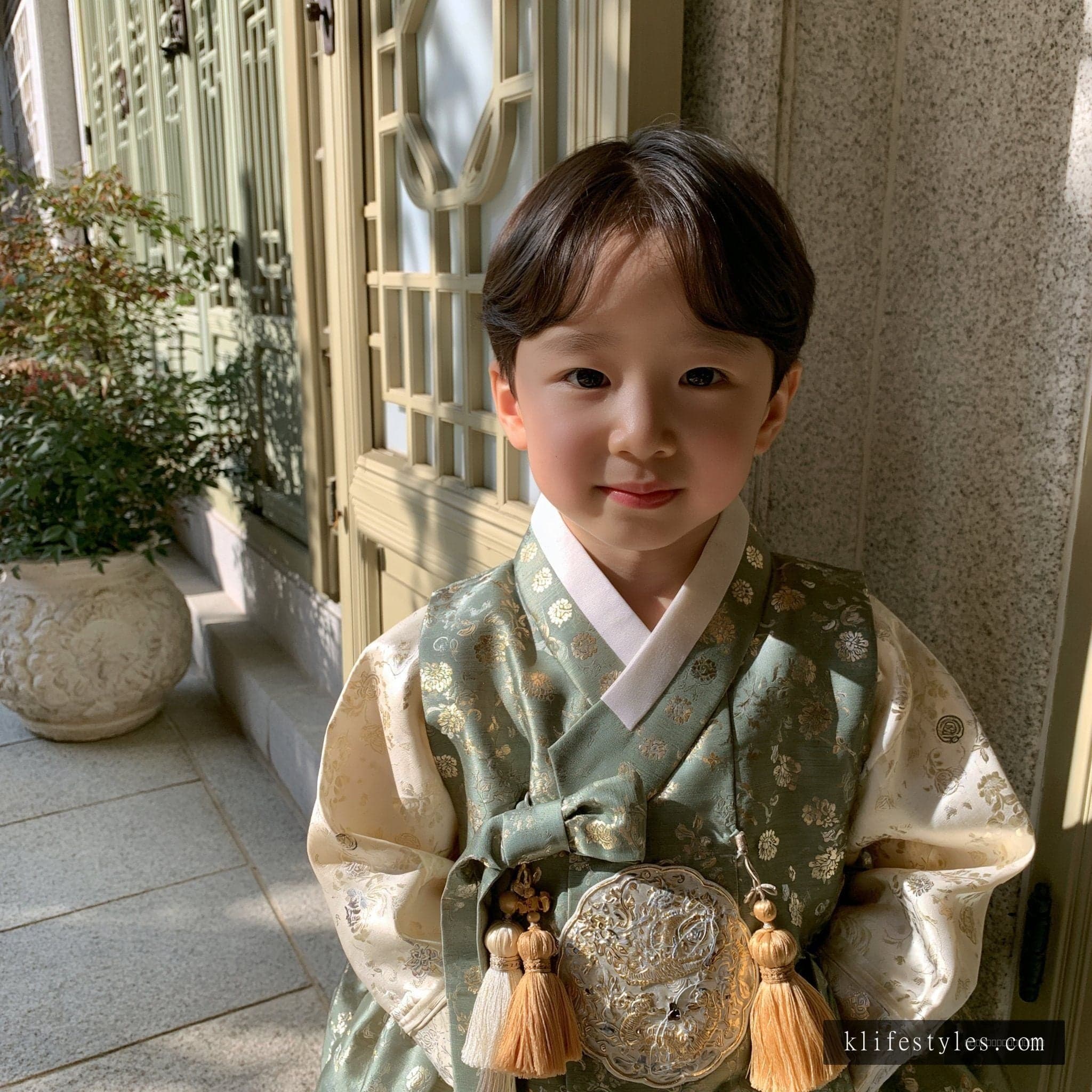
fashion13 min read
Shopping for Modern Hanbok in Seoul: Beyond the Tourist Rental
If you're a foreigner who has lived in Korea for more than a year, have you ever had your photo taken in a hanbok in front of Gyeongbokgung? That photo is a lovely memory, but that hanbok isn't really a garment you can own. Polyester satin, flashy colors, a 30-minute photo. The hanbok Koreans actually wear to weddings and 60th birthday celebrations is a completely different garment. Buying modern hanbok in Seoul is a market that has been established for more than ten years, and there really are hanbok made by designers that Koreans hang in their own closets and wear. Hanbok that sits in the same place as a cardigan or a trench coat. In this article I'll go through four designer brands that are good for buying modern hanbok in Seoul (Tchai Kim, Leesle, Danha, and Hanbok Lynn) from a foreign resident's point of view.
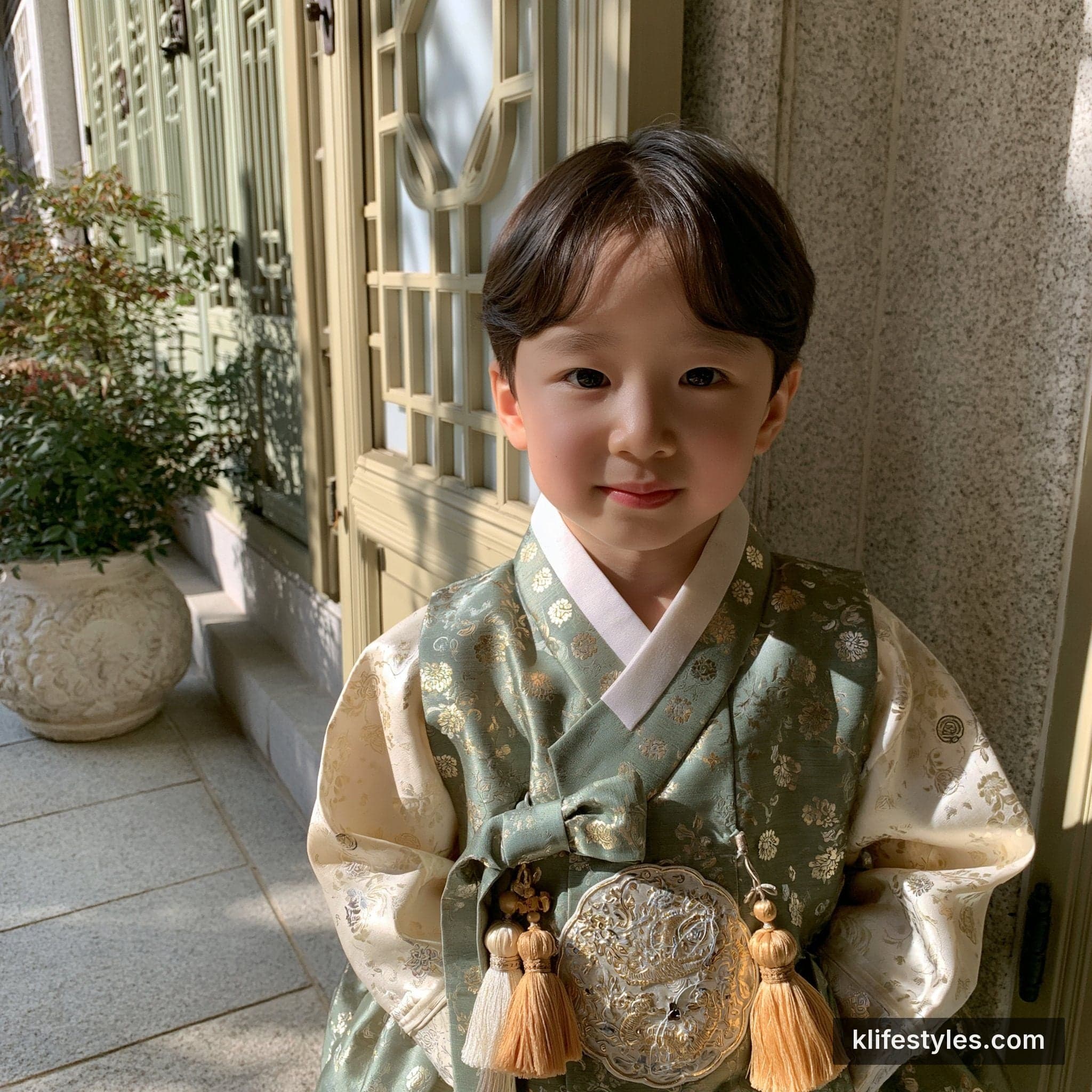
Modern Hanbok Is No Longer a Costume
The hanbok scene you see most often while living in Korea is the rental shops in front of Gyeongbokgung. Polyester satin fabric, colors close to neon, rental by the half hour, photos, then return. That's the standard route for foreign tourists. But foreign friends who've lived in Korea a long time often ask, "What kind of hanbok do Koreans really wear to weddings or 60th birthday celebrations?"
The answer to that question isn't at a rental shop. For more than ten years now, Seoul has had designer brands for people who buy hanbok to wear themselves, and the category called modern hanbok has slowly spread through Korean wardrobe culture. The idea is that it isn't a garment worn only on a wedding day, but one you can wear to dinner on a Tuesday and pass down to your children.
There are two things worth knowing when you start buying modern hanbok in Seoul. First, modern hanbok is something even Koreans buy as a considered, expensive decision. Many people have just one or two made in a lifetime, for ceremonial occasions such as holidays and weddings. It's natural for foreign residents to approach it the same way. Second, your first hanbok doesn't have to be designer made-to-order. You'll have fewer regrets if you start with a line close to everyday wear, get a sense of where it sits in your wardrobe, and then move up one step at a time. The four places in this article follow that flow too, in the order of entry, everyday, luxury, and ceremonial.
Tchai Kim: The Benchmark for Modern Hanbok in Hannam-dong
If you've started buying modern hanbok in Seoul seriously, Tchai Kim is a benchmark worth visiting at least once. It's the brand of designer Kim Young-jin. To be exact, there are two lines: Tchai Kim Young Jin (started in 2004, traditional made-to-order hanbok) and Tchai Kim (launched in 2013, the ready-to-wear line). At Tchai Kim Young Jin, everything from the undergarments to the skirt and jeogori is made to order by hand. Tchai Kim is a ready-to-wear brand with bestsellers such as the cheollik dress, adapted from the cheollik worn by military officials of old, a baenaet jeogori worn like a trench coat, and a jeogori cut like a jacket.
Let me point out one thing. Tchai Kim's main store is not in Bukchon but in Hannam-dong (1-11 Dokseodang-ro 20-gil, Yongsan-gu, Seoul). There's also a separate showroom in Samcheong-dong. The second floor of the Hannam-dong atelier is the Tchai Kim ready-to-wear showroom, a space closer to a gallery than a shop. It's worth a visit if you want to see how far the colors and proportions of traditional Korean textiles can go. Three hanbok by Tchai Kim Young Jin are in the collection of the Victoria and Albert Museum (V&A) in the UK, and global celebrities such as BTS, Naomi Campbell, and Tilda Swinton have bought from the brand.
As for prices, Tchai Kim ready-to-wear runs from the high 100,000s to the 500,000s in won, and a made-to-order hanbok from Tchai Kim Young Jin costs over a million won per outfit. A made-to-order wedding hanbok costs about as much as a coat from a luxury brand. English service is available, but as with many designer brands it can be limited, so it's safer to bring an interpreter or the Papago app. Booking ahead is practically a must. You can book through Instagram (@tchaikim_official) or the official Tchai Kim website (tchaikim.co.kr).
Leesle: Modern Hanbok as Everyday Wear
The brand I recommend most to foreigners trying modern hanbok in Seoul for the first time is Leesle. It was started by designer Hwang Yi-seul, and "Hanbok is not for wedding photos but for dinner on a Tuesday" is the idea it has been proving for more than ten years. Its forerunner, Sonjjang Design Hanbok, started in 2006 and evolved into the modern hanbok brand Leesle in 2011. The name comes from the designer's given name, Yi-seul, with the first syllable changed to 'Lee' so foreigners can pronounce it easily, which I find a memorable touch. It now exports to 54 countries, and its record includes a project to wear hanbok 100 times, published books, and winning the Excellent Cultural Product award six years in a row.
For reference, Leesle has its main store in Jeonju (687 Dongbu-daero, Deokjin-gu, Jeonju, Jeonbuk), and in Seoul it has two stores, the Hongdae store (37 Wausan-ro 29-gil, Mapo-gu, about a 4-minute walk from Exit 7 of Hongik Univ. Station) and the Insa store (4 Insadong 14-gil, Jongno-gu). For foreign residents, the Hongdae store is the easiest to reach.
Leesle's signatures are jeogori in cotton and linen, skirts cut as dresses, and a daily loungewear line. It uses fabrics that drape softly without the scratchiness typical of hanbok, and the designs work not only for traditional Korean weddings and ceremonies but also for going out on a weekday. Sizing is close to international standards, so it's easy to recommend to taller foreign friends as well.
Another really good point is that it runs an English online store. It's a suitable start for those who want to receive a piece before arriving in Korea, and after visiting the store you can easily buy more online. The everyday line is reasonably priced, so I sincerely recommend starting with a single daily jeogori as your first hanbok.
Danha and Hanbok Lynn: The Middle Market and Ceremonial Wear
The brand that sits between Tchai Kim (luxury designer) and Leesle (everyday wear) is Danha. It's a favorite of women in Korea's creative industries, such as gallerists, editors, and brand directors. Centered on indigo, natural dyes, and low-saturation tones, it takes the silhouette of hanbok and refines it so you can wear it like a Japanese minimalist designer label.
The appeal of Danha is that it isn't confined to the category of hanbok. Its tone doesn't look out of place at a café in Hannam-dong or a gallery opening in Seongsu. Koreans see it and recognize it as hanbok, while a foreign friend reads it as an Asian minimalist designer brand. That balance is Danha's identity. For foreign residents, when you want to bring a Korean touch into everyday life naturally, this brand is a very good answer.
Hanbok Lynn and similar designer brands that handle wedding and ceremonial hanbok are worth knowing too. In a Korean wedding, hanbok appears in the pyebaek and ibaji customs, and for a foreign bride or a foreign family member marrying a Korean, whether to buy or rent a hanbok they'll wear twice in a lifetime is a common dilemma. Ceremonial hanbok brands like Hanbok Lynn often offer a rental option as well.
Here's a really important tip. In the context of a wedding, the opinion of your in-laws matters as much as your own taste. For hanbok for Korean family events, it's almost always better to coordinate a visit with a family member who can go with you than to decide alone. Your mother or mother-in-law may have a color she prefers, and there's a Korean custom of matching color tones for the family group photo. Hanbok for family events such as a 60th birthday (hwangap) or a first birthday party (doljanchi) can be made to order at reasonable prices at the small workshops around Gwangjang Market and Jongno 3-ga. Cards are accepted, but some workshops prefer KakaoPay or bank transfer, so it's good to have a cash option ready too.
Practical Tips for Foreign Residents Buying Modern Hanbok
These are practical tips that really help foreign residents buying modern hanbok in Seoul for the first time.
Start your first outfit with an entry line. Rather than a designer brand like Tchai Kim or Danha, I strongly recommend starting with a single daily jeogori from Leesle. You won't have regrets if you first get a sense of where hanbok sits in your wardrobe and on what occasions you'll wear it, and then move up step by step. If you go straight to a made-to-order hanbok costing over a million won, it often stays in the closet without coming out even once a year.
Whether cards are accepted depends on the store. All the major designer brands accept cards, including foreign credit cards. Workshops in Gwangjang Market and Jongno often prefer KakaoPay or bank transfer, so it's good to have cash or a Korean mobile payment app ready as well.
Subway routes are as follows. The Tchai Kim atelier in Hannam-dong is easiest to reach from Hangangjin Station or Itaewon Station on Line 6. The Tchai Kim showroom in Samcheong-dong is within walking distance of Anguk Station on Line 3. Leesle Hongdae is about a 4-minute walk from Exit 7 of Hongik Univ. Station on Line 2, and Leesle Insa is within walking distance of Anguk Station on Line 3. The Insa store is the easiest location for meeting up with a foreign friend.
Collections differ by season. Designer brands release new seasonal collections as spring and autumn begin, and ceremonial lines are strongest around the holidays (Seollal and Chuseok). If you visit in the season that fits your plans, you'll find the collection at its fullest. Turning on Instagram notifications lets you hear about new releases quickly.
The level of English service differs by brand. Leesle runs an English online store, so English tends to work in its shops too, while for designer brands like Tchai Kim and Danha it's safer to bring an interpreter or Papago. For ceremonial hanbok brands like Hanbok Lynn, going with a Korean family member is the surest way.
My Honest Review of Buying Modern Hanbok and Why I Recommend It
The biggest reason I sincerely recommend buying modern hanbok in Seoul is that for a foreigner who has lived in Korea for more than a year, a modern hanbok is a garment that sums up their life here. The rental hanbok photo you took at Gyeongbokgung when you first arrived and the modern hanbok you take out of your own closet belong to the same category, but they are completely different clothes. The latter shows that your life in Korea has reached a certain stage. When you wear your own hanbok to a friend's wedding, a holiday family gathering, or a company event, Koreans receive you differently too.
Starting with the upsides, once you buy a modern hanbok you wear it for a very long time. A properly made designer hanbok keeps its character even after five to ten years, and many people pass theirs down to their children. The value of Korean designer hanbok is also rising quickly in the global market, so it has something of the meaning of an asset. It's a real advantage that work by a designer good enough to be in the V&A's collection is available in Korea at prices you can actually buy at.
To be honest about the downsides, the cost of getting started can feel heavy. Tchai Kim ready-to-wear starts in the high 100,000s of won, and made-to-order costs over a million won. It's best to estimate in advance how many times a year you'll wear it before you decide. Caring for hanbok (washing, storing, ironing) is also trickier than for ordinary clothes, so be sure to check the care instructions at the store before you take it home. Finally, you may need size adjustments, so it's safer to buy once you know you'll be staying in Korea for a while after the purchase.
In the end, buying modern hanbok in Seoul is a question of how you sum up and express your life in Korea. If a rental hanbok photo is your first impression of Korea, a hanbok of your own is a record of the time you've lived here. For a foreign resident whose life in Korea has passed the one-year mark, owning a hanbok at some point is a more natural decision than you might think. Just remember that the hanbok in a first-time traveler's photo and the hanbok you wear into the pyebaek room at a wedding are different clothes, and the atelier will kindly guide you through the rest.
When do you think the time will come in your life in Korea to own a hanbok? A wedding, a holiday, or simply when you want to add a Korean touch to your wardrobe? I'm also curious which hanbok store in Seoul you'd like to visit first. A first hanbok is a garment you remember all your life, so I hope you take your time thinking it over before you decide.
Store locations, opening hours, prices, and collections in this article are subject to change. For accurate information, check each brand's official site (Tchai Kim: tchaikim.co.kr / Leesle: leesle.com) and official Instagram (@tchaikim_official, @hanbok_leesle). Please recheck store hours and subway exits on Naver Map (map.naver.com) before you visit. For information on life in Korea as a foreign resident, see the official channel of the Seoul Global Center (global.seoul.go.kr). Last verified: 2026-05-04.
Written by
Sua (Kim Sua)
Living in Busan. Writing Korea for the friends who want to stay.
I run klifestyles.com. I'm a thirty-something based in Busan, writing about Korean fashion, food, and housing for the foreign friends who actually want to live here. Every piece is a first-person record from somewhere I've actually been, with notes on which prices and hours are likely to drift.
More about Sua →- First published
- Last updated
