living12 min read
Seoul Coliving Guide for Foreigners 2026: Where Should You Live?
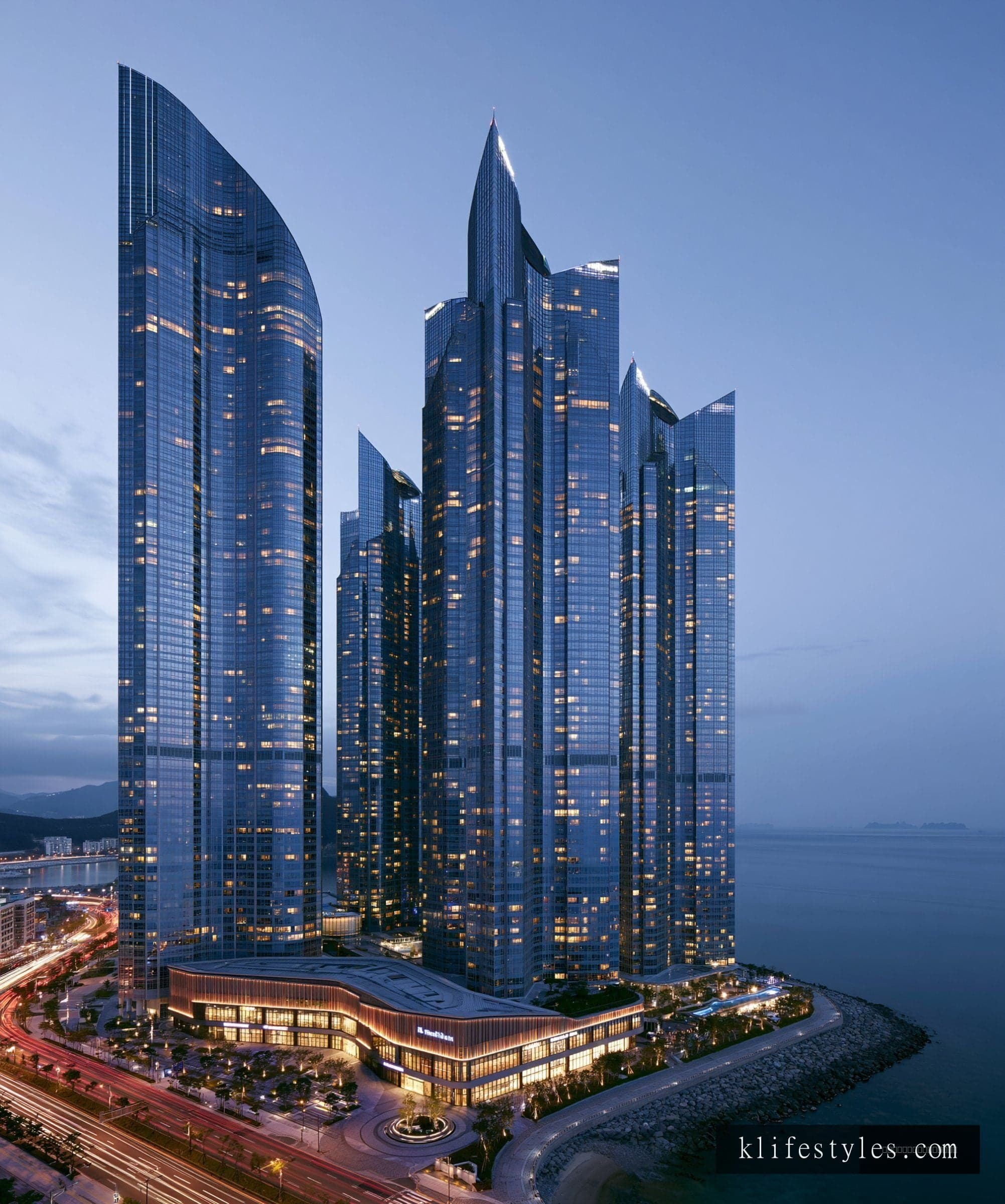
Planning to live in Seoul for a month or more? Or looking for a place to recommend to a foreign friend coming to Seoul for the first time on a job posting? Seoul's coliving market has grown very quickly over the past five years. In 2025 Korea recorded about 18.93 million foreign visitors, an all-time high, and the number of mid- to long-term foreign residents rose as well. In step with that trend, foreigner-friendly coliving brands have settled in across Seoul. Today I'll walk you through the Seoul Coliving Guide 2026, put together from the viewpoint of foreign digital nomads, expats on assignment, and language students. I'll cover price ranges, the feel of each neighborhood, and what to check when you sign.
Why Seoul Coliving Appeals to Foreigners
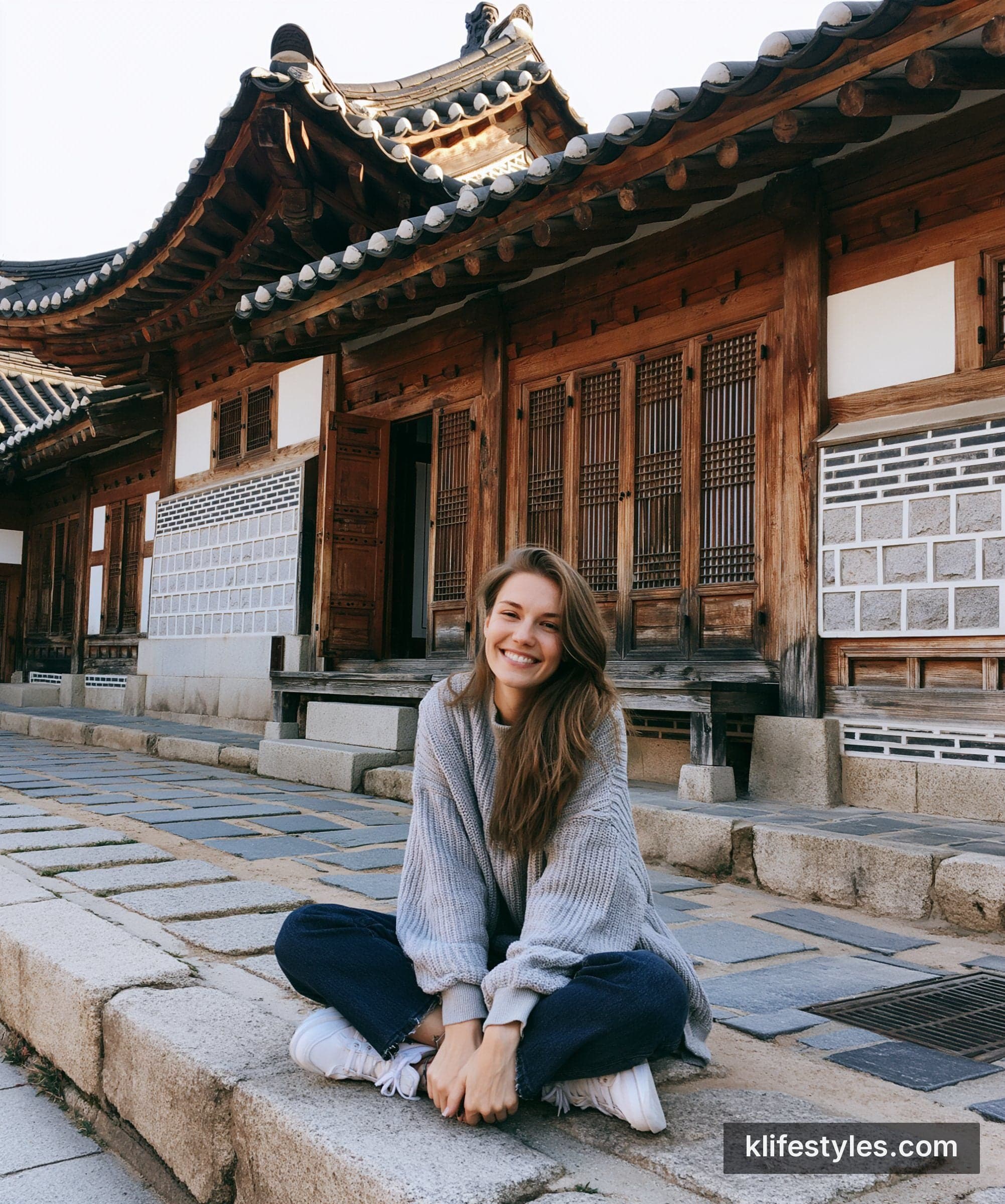
For a foreigner trying to rent a regular studio or officetel in Seoul, Korea's particular rental system is a very high barrier. A two-year lease is standard, and deposits start at tens of millions of won. If a foreign friend here for a year of language study tries to find a regular studio, most landlords want a two-year lease, so it's hard to find a suitable place. Reviewing a property contract in Korean is a burden too. And the process of getting the deposit back when you leave is unfamiliar to foreigners.
Coliving is the kind of housing that removes all of this friction at once. Furniture and appliances come fully included, so you can move in with a single suitcase, and the deposit is usually around 5 million won, far more reasonable than for a regular studio. Leases are usually flexible, in units of three to six months, and some branches also offer short stays. The operator takes care of cleaning, pest control, security, and even receiving mail, and you can also use shared spaces such as a lounge, gym, and cinema. Many places even have coworking and dining in the same building.
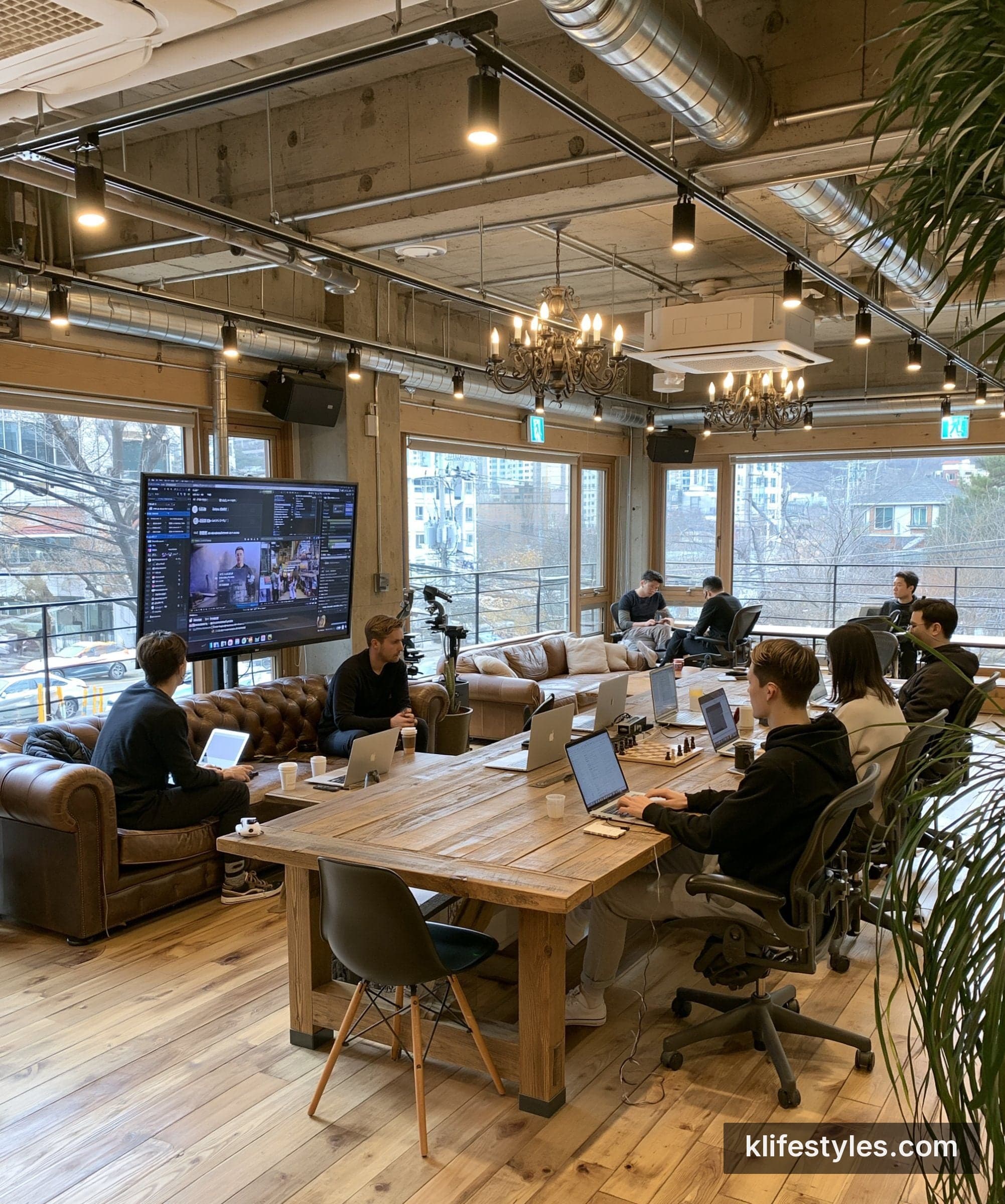
For foreign digital nomads, the biggest benefit is a loose-knit community. You can freely set up meetups in the residents-only app, and if you join the social clubs the operator runs every week (running, yoga, cooking, talks, and so on), you can make friends naturally from your first month in Korea. Some brands keep the share of foreign residents at around 20 to 25%, so English is part of everyday communication. Coliving solves, by its very structure, the common worry of a foreign friend new to Korea: "I found a room, but I don't know how to meet people."
The Most Foreigner-Friendly Choice: Mangrove
The first brand I'd like to introduce to foreign friends in this Seoul coliving guide is Mangrove. It's run by MGRV, and it was the first brand to bring the coliving concept to Korea in earnest. It has an English website (mangrove.city/en) and an English inquiry channel, so a foreign friend can get in touch directly even before arriving in Korea.
In Seoul it has four branches: Sinchon, Dongdaemun, Sinseol, and Sungin. Here's a summary of each.
Mangrove Sinchon (Nogosan-dong, Mapo-gu) is less than a 10-minute walk from Sinchon Station on Line 2. It's a newly built 16-story building with a red brick exterior and 165 rooms. It's the most popular branch among foreign friends coming for language study. A single room (about 14㎡ of private space) starts from 1.27 million won a month, a triple room (about 30㎡ of private space) starts from 696,000 won a month, and the deposit is 5 million won. Considering average studio rents in Seoul, this price range is fairly reasonable for a Sinchon location. A cinema, gym, library, and workstations are all in the same building, and for foreign residents who like K-pop it even runs a program in partnership with a global dance company. Around 60 to 70% of residents are women, and access for outsiders is strictly limited, so security feels reassuring.
Mangrove Sinseol (22 Wangsan-ro, Dongdaemun-gu) is a 20-story high-rise with 311 rooms, the largest of the Mangrove branches. There's a city lounge on the top floor and more than twenty different shared spaces on the basement levels. Sinseol-dong is an interesting neighborhood that still keeps the feel of Seoul's first new town, so traditional markets and long-standing restaurants are part of daily life. Mangrove Dongdaemun is optimized for short stays, so it's good for those who want to try a week or two. Mangrove Sungin is the first branch and a small one with 24 units, so it suits those who want to live close to their neighbors.
At all four Mangrove branches, the share of foreign residents is steady at around 20 to 25%. There's a residents-only app that makes it easy to talk with other residents, and casual meetups get posted every day, like "Anyone up for a run on the Gyeongui Line Forest Park at 6 tomorrow morning?" There are also workation branches, Mangrove Goseong and Jeju City, so it's easy to take a weekend workation while living in Seoul.
Coliving That Competes on Scale and Location: Common Town
Common Town is the largest brand in Seoul's coliving market. The operator is Liveto, which spun off from Kolon, and it's a first-generation coliving brand that started in 2016. It runs more than 30 branches in the neighborhoods with the highest foreign housing demand in Seoul, including Seorae Village, Yeouido, Seongsu, Banpo, Hannam, and Seoul Station. The neighborhoods people want to live in but find hard to reach because of high housing prices match the Common Town branch list almost exactly.
The biggest appeal of Common Town is the freedom to move between branches as a member. Once you become a member, you can move freely to other Common Town branches in Seoul. You might live in Yeouido for six months first, then Seongsu, then Hannam. That way you can compare the feel of Seoul's neighborhoods firsthand and find the one that fits your lifestyle. It's a very attractive option both for foreign expats on assignment and for digital nomads who want to move from neighborhood to neighborhood, a month at a time.
Fully furnished rooms with appliances, operating services such as cleaning, pest control, and security, and community programs such as yoga, running, coffee classes, and knowledge salons are standard. Prices vary by branch and room type, so they're hard to sum up in one line. Popular neighborhoods like Hannam and Seongsu have higher monthly rents than Sinchon or Sinseol, while Yeouido and the Seoul Station area are really convenient for business travel around the city. For exact prices, check each branch on the official Common Town website.
Coliving for Creators and Designers: Local Stitch and Episode
Among Seoul's coliving options, there are also brands with a more distinct character.
Local Stitch is an architecture-based coliving and coworking brand for creators. It has branches in neighborhoods such as Euljiro and Seogyo (Hongdae), and it draws many designers, planners, and freelance creators. Coliving rooms, coworking, and a café all operate in one building, so work and life really do fit into a single routine. It's the brand I'd most recommend to foreign digital nomads working in design or content. It has an English site and can handle inquiries in English.
Episode (Epis°de) is a coliving brand backed by a large company, run by SK D&D. It has settled into new buildings in prime locations such as Gangnam, Seongsu, and Seocho, and as a premium line its facilities are very good. Shared spaces such as the gym, lounge, cinema, and café are hotel grade, and many of its buildings are mostly single rooms, which suits foreign expats who value privacy. Prices are higher than at Mangrove or Common Town, but for those who want a lifestyle close to hotel living in the Gangnam area, it's a reasonable option.
LIFE by Fastfive is worth knowing too. It's coliving run by Fastfive, Korea's number one coworking brand, so its strength is the synergy with coworking. It's a good choice for digital nomads who care most about the quality of their work environment.
Beyond these, there are other brands such as Homes Company, Urbanstay, and Treehouse (now merged into Common Town). The character really differs by operator, so first be clear about what kind of lifestyle you want, then choose.
Seoul Coliving by Neighborhood and Checkpoints for Foreign Residents
Here are the recommended neighborhoods for Seoul coliving, sorted by foreign residents' lifestyles.
Language students and international students: around Sinchon, Hoegi, and Anam. Mangrove Sinchon is close to the right answer. The university-area location, six-month leases, and reasonable price all line up.
Digital nomads and freelancers: Seongsu, Euljiro, and Hapjeong. Compare Local Stitch Euljiro and Seogyo, Common Town Seongsu, and Episode Seongsu. The coworking infrastructure is good and there are plenty of cafés and dining options.
Expats on assignment and foreign company executives: Hannam, Gangnam, and Seorae Village. Common Town Hannam and Seorae and Episode Gangnam are good fits. English-friendly infrastructure and security are above the standard.
Tourists and short one-month stays: around Dongdaemun, Jongno, and Myeongdong. I recommend Mangrove Dongdaemun and the Common Town branch near Seoul Station. Short leases are possible and getting around the sights is easy.
Checkpoints for foreign residents come down to five. Let me go through them.
First, the lease term. Check in advance whether the minimum lease is one month, three months, or six months. For a year of language study, six-month leases fit well, and for a one-month stay, look at short-stay options.
Second, the deposit and extra costs beyond rent. Check whether maintenance fees, internet, and utilities are included in the rent or charged separately. Brands like Mangrove use a monthly fee that includes all charges such as electricity and water.
Third, support for visas and foreigner registration. Check in advance whether the operator issues the proof of residence needed for your alien registration card. Foreigner-friendly brands help this process go smoothly.
Fourth, the ratio of private to shared space. Your lifestyle changes completely depending on whether a branch is mostly single rooms or has many shared rooms. If privacy matters to you, choose a branch with a high share of single rooms.
Fifth, whether pets and your own furniture are allowed. Most coliving places don't accept pets. Heating appliances (electric blankets, fan heaters, stoves) are often banned for safety reasons too. If you plan to bring your own household items, check in advance.
My Honest Review and a Summary of Seoul Coliving Recommendations
Starting with the upsides, Seoul coliving is the type of housing that causes the least friction when a foreigner first settles in Korea. The deposit is low, the lease is flexible, and everything is furnished, so daily life works from the first day. Operators are used to foreign residents, so English service, paperwork, and day-to-day management go smoothly. And the really big benefit is the community. Making friends in Korea is a common difficulty for foreigners, but coliving is built so that you meet people naturally, and your first month in Korea isn't lonely.
To be honest about the downsides, rent is higher than for a regular studio. If a regular studio in the same neighborhood is 500,000 to 700,000 won, coliving is around 800,000 to 1.3 million won. If you see that difference as the value of furniture, appliances, maintenance, community, and operating services, though, it's reasonable. Popular branches are also very competitive, with a waiting list about ten times the number of vacancies, so you may not be able to move in when you want. It's safer to get in touch two to three months before you arrive in Korea. And coliving is, at its core, housing where shared space is the point, so it may not suit those who want to live quietly on their own.
To sum up Seoul coliving in one line, it's a very good choice for "foreign residents who want the smoothest possible start to their first six months to a year in Korea". The safest course is to spend the first six months in coliving, get a sense of which neighborhoods you like and what pace daily life in Korea runs at, and then move to a regular studio or officetel. When Koreans recommend housing to foreign friends, colleagues, or clients, suggesting coliving as the first option can spare them a great deal of trial and error.
Which neighborhood in Seoul would you most like to live in? The student feel of Sinchon, the creator feel of Seongsu, the expat feel of Hannam, or the luxury feel of Gangnam? If there's a coliving place you'd recommend to a foreign friend, tell me in the comments. In the next article I'll also go through everyday costs by neighborhood and one-month stay scenarios.
The coliving prices, room types, lease terms, and branch operations in this article change over time. Check each operator's official channel for accurate information: Mangrove (mangrove.city, English at mangrove.city/en), Common Town (commontown.com), Local Stitch (localstitch.kr), Episode (epsd.co.kr), and LIFE by Fastfive (life.fastfive.co.kr). For information on life in Korea as a foreign resident, see the official channel of the Seoul Global Center (global.seoul.go.kr). For tenant protection matters when a foreigner signs a property contract, we recommend consulting a professional. Last verified: 2026-05-04.
Written by
Sua (Kim Sua)
Living in Busan. Writing Korea for the friends who want to stay.
I run klifestyles.com. I'm a thirty-something based in Busan, writing about Korean fashion, food, and housing for the foreign friends who actually want to live here. Every piece is a first-person record from somewhere I've actually been, with notes on which prices and hours are likely to drift.
More about Sua →- First published
- Last updated