
Living11 min read
Recommended Neighborhoods for Foreigners in Busan 2026: Where to Live
Five good neighborhoods for foreigners living in Busan in 2026: Haeundae for its English-friendly infrastructure, Marine City for high-rise living with concierge services, Centum City where work and life sit close together, Gwangalli where young creators gather, and Seomyeon for hospital and KTX access. With rent and deposit ranges and the differences between monthly rent (wolse), jeonse, and buying.
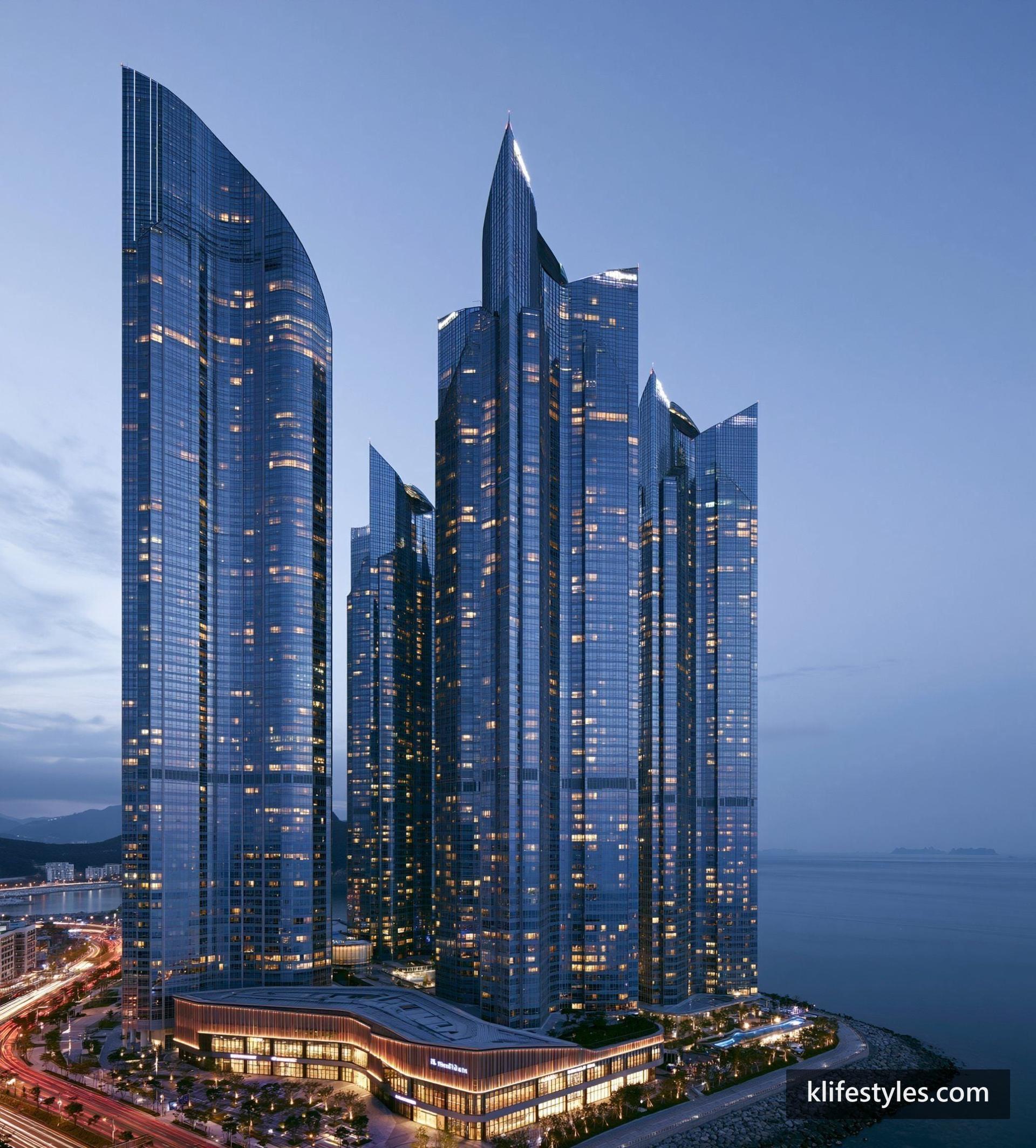
Did you know that Seoul isn't the whole of Korea? Over the past few years, Busan has become the city where long-term foreign residents, digital nomads, and families of medical tourism patients settle in surprisingly large numbers. When a job posting takes you to Busan, when you're staying a month or more for medical care, or when you're considering Busan for a one-month stay in Korea, the neighborhood you live in decides more than half of how satisfied you are with life here. This article is a 2026 guide to five recommended neighborhoods for foreigners in Busan (Haeundae, Marine City, Centum City, Gwangalli, and Seomyeon), with rent, atmosphere, and transport. Koreans can also use it when recommending a place to live in Busan to foreign friends, family, or clients.
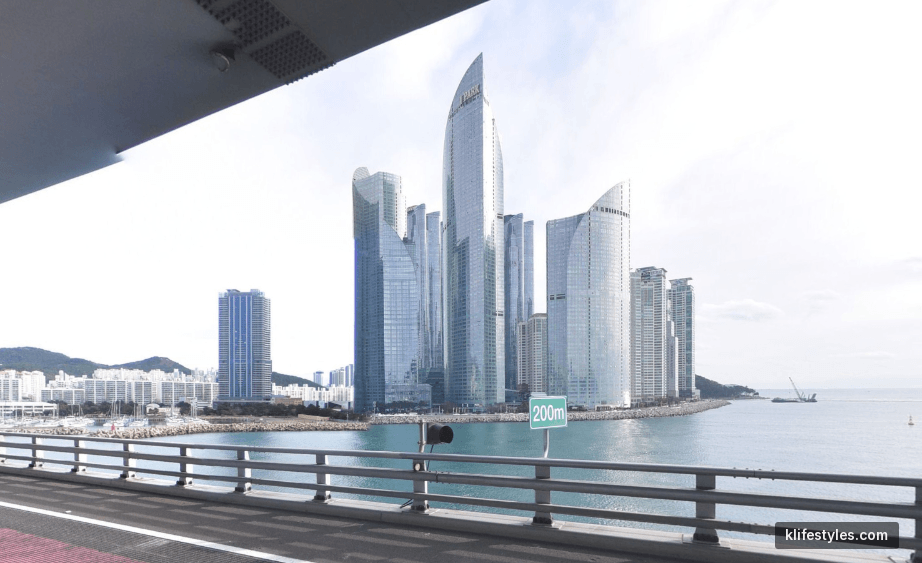
Haeundae: The Default for Foreigners Living in Busan
Among recommended neighborhoods for foreigners in Busan, the safest first choice is Haeundae. English signs, English-speaking real estate agents, and international schools (such as Busan Foreign School) are all clustered here, so it's the neighborhood where a foreign friend who speaks almost no Korean can settle in fastest. The high-rise apartment forest of Marine City and the old alleys of Haeundae Market coexist in one neighborhood, so it suits those who want both city infrastructure and the sea.
Here's a summary of rents too. As of 2026, monthly rent for a studio or officetel in central Haeundae-gu is roughly 1 million to 1.8 million won, and the deposit is 10 million to 30 million won or so. Based on Korean real estate transaction data (the Ministry of Land's actual transaction prices and Budongsan Bank), 84 to 91㎡ apartments around U-dong and Jwa-dong are trading with deposits of 30 to 50 million won and monthly rent of 1.15 to 2.5 million won. Exact prices differ by date and listing, so check once more before you visit on platforms such as Naver Real Estate (land.naver.com), Zigbang, and Dabang.
The real strength of Haeundae is its foreigner-friendly infrastructure. Hospitals with English service (Haeundae Paik Hospital, Haeundae Bumin Hospital, and others), cafés and restaurants with English menus, and real estate agents who work with foreigners are all close by. To be honest about the downsides, summer weekends are so crowded that the neighborhood itself turns into a tourist site. Haeundae on a weekday evening and Haeundae on a Saturday afternoon are completely different neighborhoods. If you're considering a long stay, it's a good idea to check the weekday evening mood first.
Marine City: High-Rise Living with Concierge Services in Busan
Busan's best-known cluster of high-rise residences is Marine City. It's a group of super high-rise complexes built on reclaimed land (Doosan We've the Zenith, I'Park, Trump World, and Marine City Xi), and an English-speaking concierge is standard. Many complexes also have a fitness center, golf simulator, and sauna on site. It's popular with executives of foreign companies, medical tourism families, and digital nomads on short business stays.
Monthly rent starts at about 2 million won for a fully furnished studio, and it's common for a high-floor unit with a full ocean view to exceed 4 million won. Sale prices are among the highest in Busan too. Complexes like Marine City Xi and Doosan We've Poseidon rank near the top in Busan by price per pyeong. Deposits range from 50 million won to several hundred million won depending on the complex and the listing.
The real appeal of Marine City is "daily life that feels like living in a hotel". There's a concierge on the ground floor, security runs 24 hours, and exercise, sauna, and even meetings are all handled inside the complex. If a foreign friend coming to Korea for the first time wants a neighborhood with no security worries, Marine City is almost the right answer. The downside is price. It also feels a little removed from everyday Korean life, like Haeundae Market or a neighborhood snack bar. For those who want to live day to day in a Korean way, it may actually feel confining.
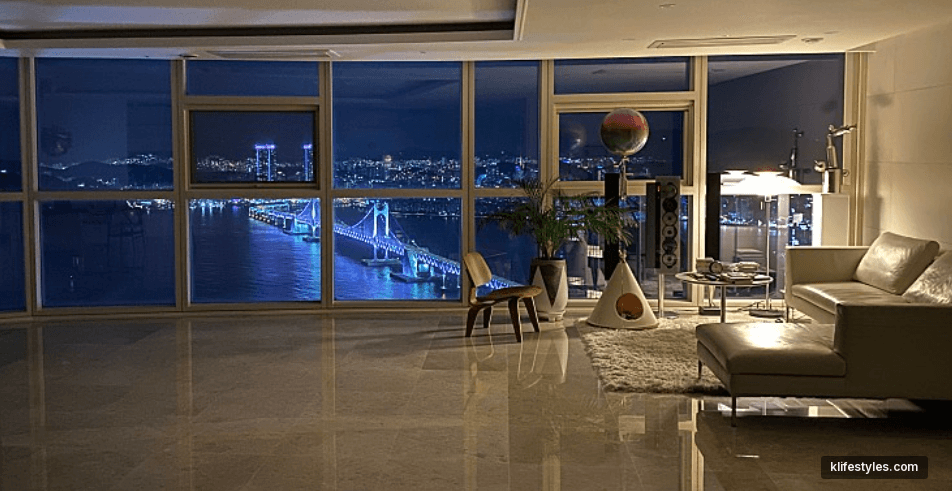
Centum City: The Efficient Choice, with Work and Life in One Building
Centum City is almost the only neighborhood in Busan where you can live in an officetel with coworking on the ground floor and a department store food hall in the basement. BEXCO, Shinsegae Centum City, the Busan Cinema Center, and the broadcaster KNN are all gathered here, so work, shopping, and daily life are all handled within one complex.
A really big advantage is that for the same price, you get about 10 to 15% more floor space than in Haeundae. It's the most sensible choice for those who want lower rent and more space, and for digital nomads working on a laptop. Shopping for groceries in the basement food hall of Shinsegae Centum City, working at a café on the ground floor, and sleeping in your officetel becomes a natural routine.
To be honest about the downsides, it gets really quiet at night. It's an office workers' neighborhood, so the streets empty out after 8 p.m., which can feel dull for those who are active at night. And the sea isn't within walking distance. To get from Centum to Gwangalli or Haeundae, you need to take the subway or a taxi. If you want the feeling of living next to the sea, Marine City or Haeundae is right. If you want an efficient, tidy city routine, Centum is the answer.
Gwangalli and Seomyeon: Two Paths, Atmospheric and All-Round
Gwangalli has evolved over the past five years into something like Busan's version of Yeonnam-dong or Seongsu-dong. With independent cafés, surf shops, cocktail bars, and even the Gwangan Bridge drone show, it's the most popular place to live among digital nomads and freelancers in their 20s and 30s. Deposits are relatively low (about 5 to 10 million won), so its appeal is the lowest barrier to entry for trying out a year at a time.
The atmosphere in Gwangalli is really free. Walk along the Gwangalli beach road on a weekday evening and you'll see people having a beer after surfing, people moving from café to café with their laptops, and groups of neighborhood friends getting together, all mixing naturally. It's the easiest setting for a foreign resident to get along with the locals.
Seomyeon is Busan's all-round downtown. It sits where Busan Metro Lines 1 and 2 cross, so you can reach anywhere in Busan with a single transfer. Think of it as Busan's Gangnam Station. Surprisingly many families of foreign patients on long medical stays choose this neighborhood, and the reason is access to Busan's major university hospitals. The main campus of Pusan National University Hospital is in Ami-dong, Seo-gu (near Toseong Station on Line 1), and Inje University Busan Paik Hospital is in Gaegeum-dong, Busanjin-gu (near Gaegeum Station on Line 2), so both can be reached from Seomyeon on Line 1 or Line 2 without a transfer. Haeundae Paik Hospital is near Jangsan Station at the end of Line 2, a direct ride from Seomyeon. For medical tourism families it's a very sensible location.
Thanks to the variety of restaurants on Jeonpo Café Street and a location about 10 minutes by subway from the KTX Busan Station, it's also the right answer for those who often travel to Seoul on business. If you say "I only need to see the sea now and then," Seomyeon is the most sensible choice. Deposits and rents are also more reasonable than in Haeundae or Marine City. It has the feel of a Korean office workers' district, though, so if you want a place that stays lively until dawn, Gwangalli will suit you better.
A Guide to Korean Housing Arrangements That Really Helps When Choosing a Neighborhood in Busan
Here's one really important piece of information for a foreign friend looking for a home in Korea for the first time. Korea has three types of housing arrangements: jeonse, wolse (monthly rent), and purchase. This is the part foreign friends find most confusing.
Wolse (monthly rent) means paying a deposit up front and then rent every month. It's similar to rental systems abroad, so it's the most familiar to foreign friends. If you plan to live in Busan for a shorter period of two to five years, I recommend monthly rent. The deposit is smaller, and when you leave you simply get it back in full.
Jeonse is a system unique to Korea. You pay one large deposit up front (usually 50 to 70% of the sale price) and pay no monthly rent. When the contract ends (usually after two years), you get the deposit back in full. Many Koreans prefer jeonse, but I'm cautious about recommending it to foreign friends because of the risk of jeonse deposit fraud and the complexity of the process.
Purchase means buying a home. If you plan to live in Korea for life, or you're settling down after marrying a Korean, buying is worth considering. Foreigners can also buy real estate in Korea. Loan conditions and taxes may differ between foreigners and Koreans, though, so it's safer to consult a professional.
Let me share one honest personal experience here. My younger brother married his Taiwanese girlfriend. In the process, they thought a lot about how to live in Korea. If you plan to live in Korea for life after marriage, buying makes sense from an asset point of view, and for a short stay, monthly rent is the answer. If you have any questions about international marriage or living in Korea as a foreigner, please leave a comment or send an inquiry. I'll answer based on what I looked into myself for my own family. It should also help Koreans who need to give this information to foreign friends.
My Honest Review and a Summary of Recommended Neighborhoods in Busan
Each neighborhood in Busan has a truly different character. Haeundae and Marine City are the standard for "Busan the international city". They have the richest infrastructure for foreigners, and English is widely understood. Centum is the efficient type. It's the answer for those who want to handle work and life within one complex. Gwangalli is the atmospheric type. It suits digital nomads who want neighborhood character and freedom. Seomyeon is the all-rounder. Transport, hospitals, and KTX access are all among the best in Busan, and it's good value too.
Starting with the upsides, living in Busan as a foreigner is far more affordable than in Seoul. For the same rent you get more space and a better view. Seoul is about 2 hours 30 minutes away by KTX, so business trips and travel are easy too. Medical, education, and café infrastructure is well established, so it can handle many scenarios, from a one-month stay to permanent residence.
To be honest about the downsides, international school options are more limited than in Seoul. If your children's education is a key consideration, you need to check Busan Foreign School and other international school options before you decide. English-speaking real estate agents are also concentrated in parts of Haeundae and Marine City, so in Gwangalli or Seomyeon you may need a Korean-speaking companion or an interpreting service.
When Koreans recommend living in Busan to foreign friends or clients, a really good approach is to suggest staying about two weeks in a serviced residence in Centum or Marine City and walking through each neighborhood once on a Tuesday night and once on a Saturday morning. "Do you like the neighborhood when it's quiet?" is, in the end, the most accurate test. The buzz of a Saturday afternoon looks similar in any neighborhood, but the mood on a weekday night is completely different from one to the next. Whether that mood fits your lifestyle is the key to deciding where to live.
Which Busan neighborhood appeals to you most? The seaside infrastructure of Haeundae, the hotel-like life of Marine City, the efficiency of Centum, the atmosphere of Gwangalli, or the all-round appeal of Seomyeon? If you have a foreign friend thinking about living in Busan, please share this article with them. And if you have any questions about international marriage or living in Korea long term, leave a comment or send an inquiry any time. I'll answer from what I learned firsthand through my own family.
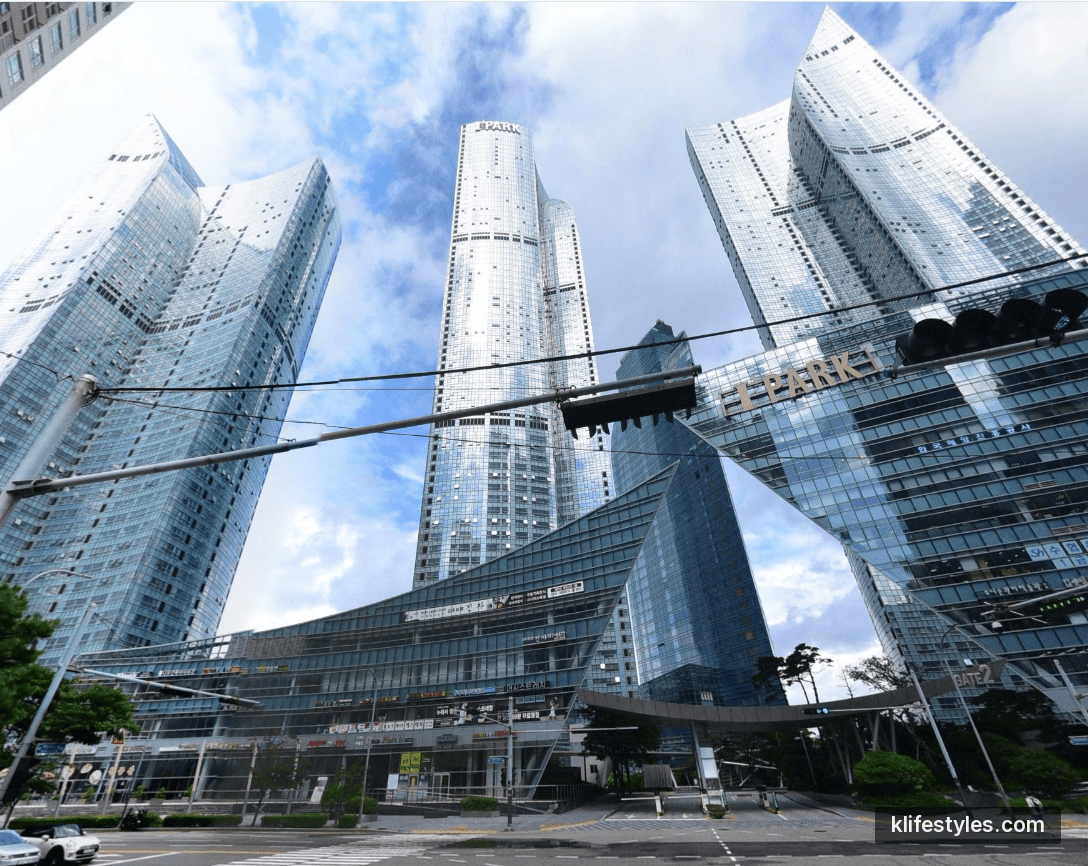
The rents, deposit ranges, and property listings in this article change over time. Check exact listings before you visit on Naver Real Estate (land.naver.com), Zigbang (zigbang.com), Dabang (dabangapp.com), and Budongsan Bank (neonet.co.kr). Actual transaction prices for Korean real estate can be looked up in the Ministry of Land, Infrastructure and Transport's Real Transaction Price System (rt.molit.go.kr). For real estate transactions and taxes involving foreigners, we recommend consulting a professional, and for information on life as a foreign resident, please see the official channel of the Busan Global Center (bgcf.or.kr). Last verified: 2026-05-04.
Written by
Sua (Kim Sua)
Living in Busan. Writing Korea for the friends who want to stay.
I'm one of the people who run klifestyles.com. I'm a thirty-something based in Busan, writing about Korean fashion, food, and housing for the foreign friends who actually want to live here. I mostly write about places I've been to myself, with notes on which prices and hours are likely to drift.
More about Sua →- First published
- Last updated
More from the blog
Living7 min read
Hyundai Livart Technic Flow Review: Korean Mesh Office Chair
After over a month comparing Korean office chairs, I bought the Livart Technic Flow with my own money: who makes it, prices, where to buy and its downside.
Read
Living8 min read
IKEA JONAXEL Review: Narrow Laundry Storage in Korea
I bought IKEA's 25 cm wide JONAXEL with my own money to fit beside my LG WashTower: price in Korea, stock checks, free delivery, pros, cons and hammer noise.
Read
Living12 min read
Seoul Coliving Guide for Foreigners 2026: Where Should You Live?
A 2026 guide to coliving in Seoul for foreign digital nomads, expats on assignment, and exchange students who find Korea's two-year lease daunting. It compares Mangrove with its strong English support, Common Town with the most branches, creator-focused Local Stitch, and Episode with its new buildings and hotel-grade shared spaces, and covers price ranges, how to choose a neighborhood, and five things to check before signing.
Read