
Notes11 min read
A Complete Guide to Seongsu Yeonmujang-gil: Walking Seoul's Densest Street
Calling Seongsu's Yeonmujang-gil "the Brooklyn of Seoul" no longer does it justice. Korea's design industry, specialty coffee, and traces of a 1960s factory district all sit within a 25-minute walk. This guide covers the way from Seongsu Station, the best times to visit, studios and concept stores, and café culture.
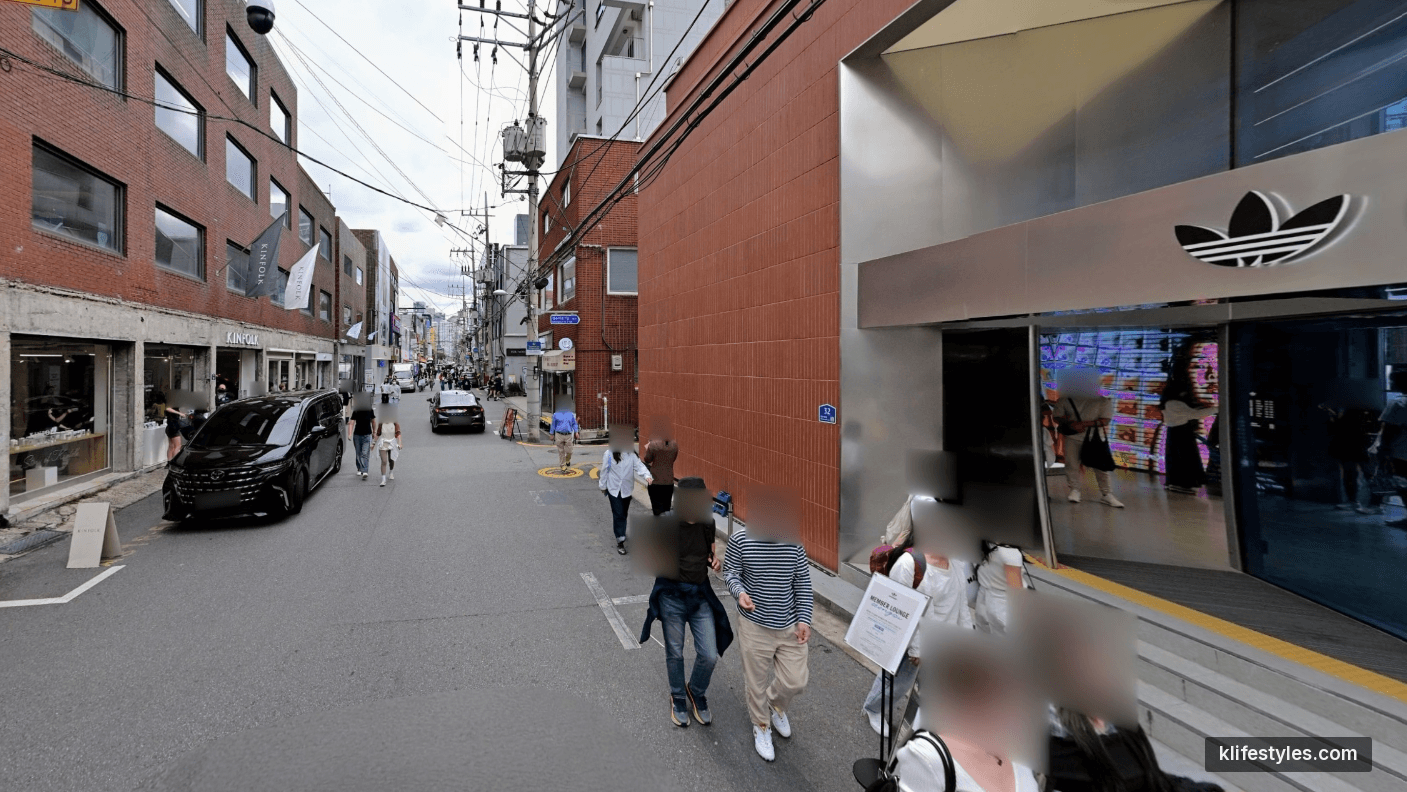
Where do you think the trendiest neighborhood in Seoul is? Five years ago the answer would have been Mangwon-dong or Hannam-dong, but now, in 2026, it's Seongsu-dong, and within it Yeonmujang-gil. Once called 'the Brooklyn of Seoul,' this street has already outgrown the comparison. If Brooklyn was the accidental result of artists gathering where rent was cheap, Seongsu's Yeonmujang-gil is the result of an intentional choice from the start. It's a street made by people with a sense of design, a global outlook, and a preference for context over content, who came together deliberately. In this article I'll cover routes, cafés, shopping, and how to really enjoy this neighborhood, in a way that helps both foreign friends visiting Yeonmujang-gil for the first time and those staying long term.
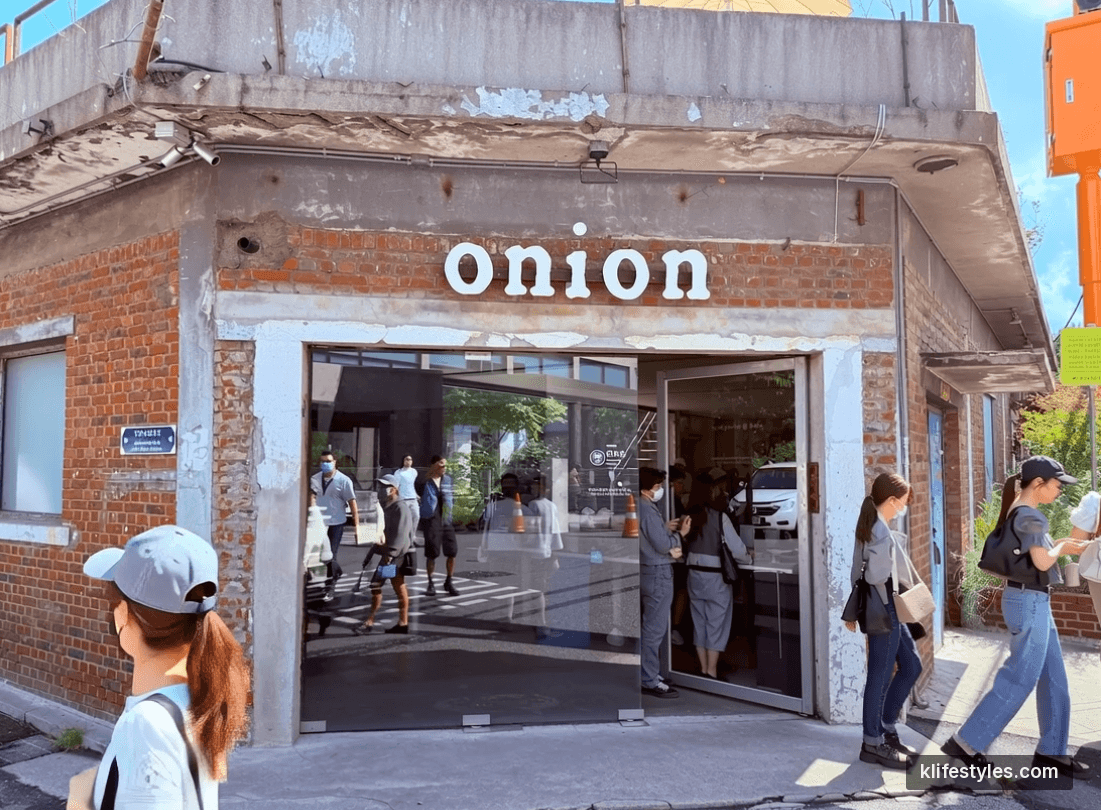
The Street Called Yeonmujang-gil: More Than Seoul's Brooklyn
Yeonmujang-gil sits in Seongdong-gu, north of the Han River, at the point where the textile and shoemaking heritage of the Seongsu industrial area meets the capital of Gangnam across the river. The low red-brick buildings put up in the light-industry era of the 1960s to 1980s remain as they were, and 21st-century creative studios and concept shops are layered on top of them. That curious mix is the real charm of Yeonmujang-gil. The tension between the traces of manufacturing and new commercial capital is what makes Yeonmujang-gil not just a hot spot but a place worth reading.
Walking the main stretch at a relaxed pace takes about 25 to 30 minutes. But the true face of this street shows when you stop. Between exposed-brick exteriors, a café with a white, gallery-like interior suddenly appears, next to it is a shoe repair shop that is actually in business, and next to that a global brand pop-up changes month by month. Walking with no destination is the best way to experience this street.
To be honest, the biggest appeal of Seongsu's Yeonmujang-gil is its sheer energy. There are really a lot of people. Even on a weekday afternoon the street is full. Yet the crowd doesn't feel stifling. It lets you feel the energy of the city instead. If you want to show a foreign friend Korean culture properly, this street, where you can enjoy good restaurants, shopping, and cafés all at once, is the answer. How Korean trends work right now and what kind of spaces Koreans like in everyday life are all contained in a single street.
Getting to Seongsu's Yeonmujang-gil and the Best Times to Visit
The easiest way in is Exit 3 of Seongsu Station on Seoul Subway Line 2. It's about a 7 to 10-minute walk from the exit to the heart of Yeonmujang-gil, and because it's on Line 2, you can reach Hongik Univ. Station (about 30 minutes), Gangnam Station (about 22 minutes), and City Hall Station (about 20 minutes) without transferring. It's a really convenient location when you're explaining the route to a foreign friend. To be safe, check real-time travel times once more on Naver Map (map.naver.com) before you leave.
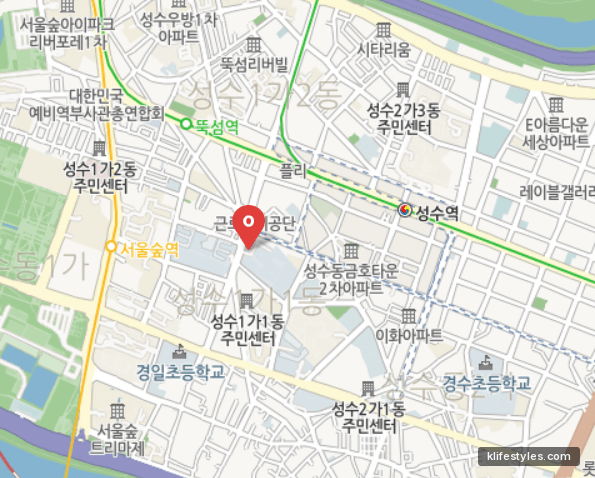
The time you visit makes a really big difference to the quality of the experience. The mood is completely different at each time of day.
Weekdays from 10 a.m. to 1 p.m., especially Tuesday through Thursday, are when you meet Yeonmujang-gil at its most honest. That's when café staff arrange the window displays, delivery vans with green beans pull up at small roasteries, and little print studios are just opening. There are fewer people, which is good for photos, and it's easy to find a seat in a café.
On weekend afternoons, the mood changes completely. Lines form in front of the most photographed spots, and the whole street takes on the character of a performance. If you want to feel the energy, a weekend afternoon is the answer. Just know that you'll hardly ever get a seat at a popular café.
Around sunset, Yeonmujang-gil has yet another charm. The yellow glow of a street food tent sits beside a white, gallery-like interior, and a scene completely different from daytime unfolds. This is when the bars and dining spots around Seongsu come fully to life.
If you're a long-term foreign resident, rather than a single visit I recommend coming back several times at different hours. Yeonmujang-gil is not a street you can take in all at once.
The Creative Layer of Yeonmujang-gil: Studios and Concept Spaces
There's a key point that sets Yeonmujang-gil apart from Ikseon-dong, Bukchon, and the gallery streets of Hannam-dong. Spaces for consumption and spaces for production coexist in the same building, sometimes on the same floor. It's not hard at all to find a space that works as a brand studio, a wholesale showroom, and a consumer-facing café at the same time. The deliberately blurred line between making and showing is the identity of this street.
This is also why global fashion and lifestyle brands choose Yeonmujang-gil more and more often for their pop-up stores. Consumers with a sense of design and an international outlook walk this street every day. Global brand pop-ups usually run for one week to two months, and schedules change often. Before you go, check the latest information on the brand's official Instagram or the Seongdong-gu Office culture and tourism site (sd.go.kr/tour).
There are also independent concept stores that have held their place on the street through wave after wave of trends. Their secret to survival is not broad commercial appeal but a consistent editorial point of view. They stock only what they themselves like and appeal only to customers who like the same things. It's an uncommon way of operating in Korea's retail market. It's hard to name specific stores here, though, because rents rise and shops turn over so fast. To be safe, check on Naver Map once more before you visit to see whether a store is still open.
When you walk through these concept spaces with a foreign friend, you see how Korea's design industry moves. Beyond content like K-pop or K-dramas, you can experience firsthand how much the aesthetics of the whole process of making, displaying, and selling things have become part of everyday life for Koreans.
Seongsu's Café Streets: A Practical Geography of Specialty Coffee
Seoul's specialty coffee scene already stands shoulder to shoulder with Tokyo and Melbourne. And Seongsu is the key node in that network. Yeonmujang-gil and the adjoining alleys are densely packed with small roasteries and filter coffee bars. For digital nomads and remote workers who need good coffee and stable WiFi, it makes a truly practical base for work.
Seongsu cafés share some physical traits: high ceilings, natural light through factory-style windows, counter seats facing the street, and menus centered on single-origin pour-over and espresso variations. Their interiors are similar in feel, yet each has its own color, which makes café hopping really fun.
One important tip, though: many cafés restrict laptop use at peak times. Laptop-friendly hours are usually weekday mornings until just before noon. After lunch and on weekends, depending on the café, laptops are banned or limited to one hour. If you want to work, aiming for a weekday morning is the safest.
Drink prices are slightly higher than at regular cafés. The average at Korean specialty cafés is around ₩6,000 to ₩9,000, and signature drinks can cost more. Exact prices and opening hours change often, so check Naver Place on the day of your visit. Last verified: 2026-05-03.
If cafés alone don't feel like enough in Seongsu, add in the bakeries, small dining spots, and wine bars tucked between them. Plan a café at lunch → an afternoon walk → a small dining spot in the evening → a wine bar at night, and a day in Seongsu slips by before you know it.
Seongsu's Industrial Heritage and Planning a Course with a Foreign Friend
To understand how Yeonmujang-gil looks, you need to know the history beneath it. From the 1960s to the 1980s, the Seongsu industrial area was a base for small-scale light industry, especially shoemaking, leather, and printing. The low red-brick buildings, put up with no thought of permanence, lasted far longer than expected and gave the street the face we see today.
Exposed brick, corrugated metal roofs, wide loading-dock doors turned into café entrances: none of this is staged design. The original buildings were not torn down, and only their use was changed. Even now, shoe repair shops and small print shops actually operate among the newer shops. That coexistence is the real character of Seongsu's Yeonmujang-gil. Show a foreign friend this detail and the reaction is "How do old and new blend so naturally in a Korean neighborhood?"
A recommended course to take with a foreign friend goes like this. Arrive at Exit 3 of Seongsu Station at 11 a.m. → walk the main stretch of Yeonmujang-gil (30 minutes) → brunch at your first specialty café (1 hour) → browse two or three concept stores (1 hour 30 minutes) → lunch at a dining spot in the Seongsu-dong alleys → an afternoon walk in Seoul Forest (a 15 to 20-minute walk away). This is the classic one-day Seongsu course.
What I really want to recommend here: take lots of photos with your friend in Seongsu. If you're a foreigner living in Korea, photos from Yeonmujang-gil get a really good response when you post them on social media. They're like proof that you're right in the middle of Korean trends. Even people who rarely post their daily life on Instagram end up posting their Yeonmujang-gil photos.
My Honest Review of Seongsu's Yeonmujang-gil and Why I Recommend It
Here's Yeonmujang-gil in a nutshell. It's a street with really a lot of people, where you can feel the energy just as it is. And because you can enjoy good restaurants, shopping, and cafés all at once, it's a neighborhood where you can properly feel Korean culture. Five years ago I recommended Myeongdong or Insadong to foreign friends coming to Korea for the first time, but now it's Yeonmujang-gil without hesitation. It's where the Korea of today shows best.
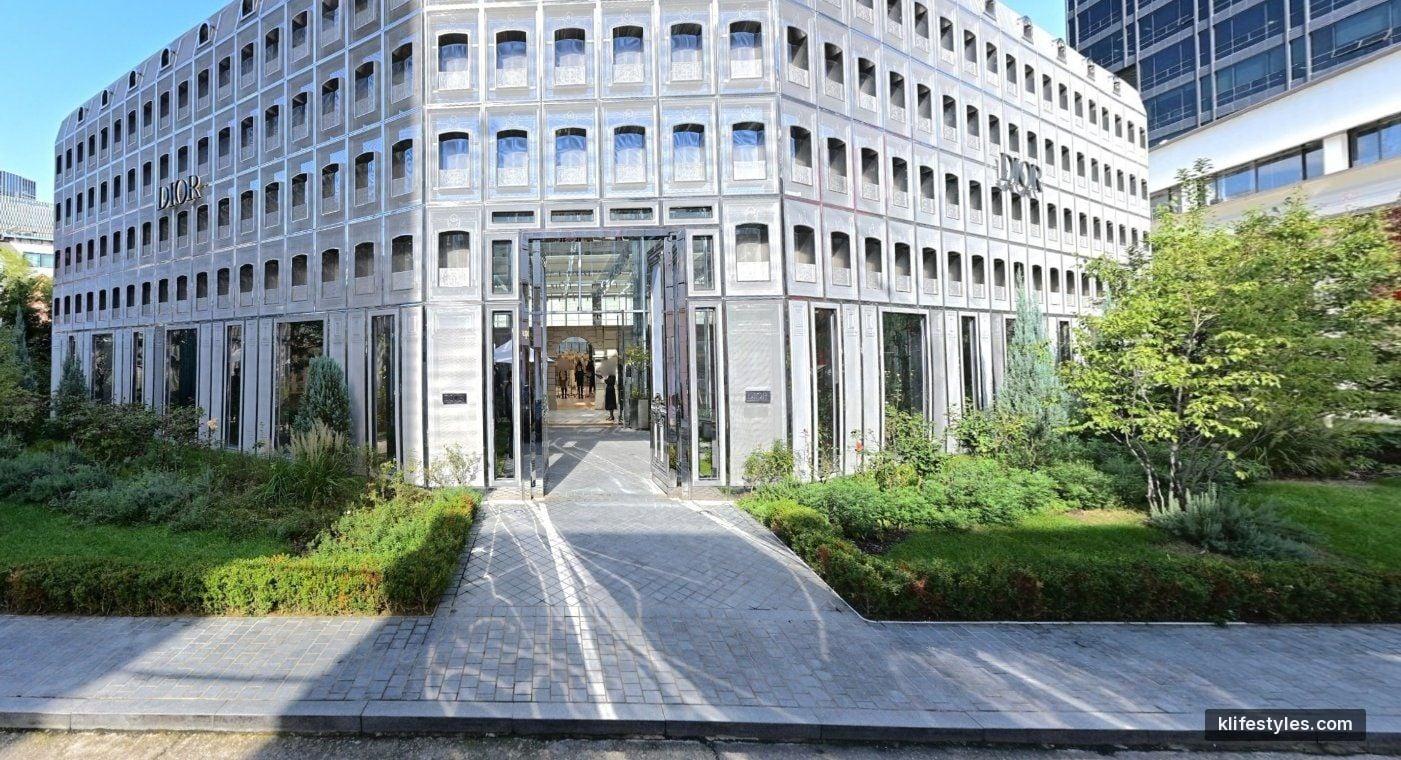
Starting with the upsides, Seongsu isn't only pleasing to look at. It's a neighborhood you can actually live in. 4G/5G coverage is strong, cafés are densely spread, and there are so many pedestrians that you don't feel isolated even walking alone. That's why digital nomads on a one-month stay prefer serviced apartments or Airbnbs around Seongsu. Seoul Forest is a 15 to 20-minute walk toward Seoul Forest Station, so outdoor space is close too. Head north toward Wangsimni and you'll find large supermarkets and everyday amenities gathered there.
To be honest about the downsides, rents are rising fast, and the small shops that gave the street its identity are gradually disappearing. The hotter Seongsu gets, the more franchises move in, and small shops with real character get pushed out to other neighborhoods. So the scenery is a little different every time you go. It's also so crowded that you have to line up at popular cafés even on weekdays, and on weekends the street feels narrow. If you want a quiet neighborhood walk, Ikseon-dong or Bukchon may suit you better than Seongsu.
Any record of a neighborhood that evolves as fast as Seongsu has an expiry date. So the advice I sincerely want to give is this: treat the street itself as your primary source, rather than any particular café list or trend roundup. Walking with the intention of reading this place slowly, rather than visiting to complete a checklist, is the experience Yeonmujang-gil shows best. If you go with a foreign friend, you can see in a single street how a Korean city changes fast while keeping the texture of the old.
Have you been to Seongsu's Yeonmujang-gil? Which café or shop impressed you most? If it's your first visit, I'm curious what time of day you plan to go. Wherever you are in the alleys of Seongsu, I hope you catch the moment when the Korea of today is at its liveliest.
The café information, concept store operations, pop-up schedules, and prices in this article are subject to change. Before you visit, check the latest information on Naver Map (map.naver.com), KakaoMap, and the Seongdong-gu Office culture and tourism site (sd.go.kr/tour). Seoul urban planning materials can be viewed on the Seoul Urban Planning Portal (urban.seoul.go.kr). Last local survey: 2026-05-03.
Written by
Sua (Kim Sua)
Living in Busan. Writing Korea for the friends who want to stay.
I'm one of the people who run klifestyles.com. I'm a thirty-something based in Busan, writing about Korean fashion, food, and housing for the foreign friends who actually want to live here. I mostly write about places I've been to myself, with notes on which prices and hours are likely to drift.
More about Sua →- First published
- Last updated
More from the blog
Notes11 min read
Making Korean Friends: KakaoTalk, Naver and Social Media
A worry every foreigner on a long stay in Korea has at some point: "How do I make Korean friends?" This guide covers the social platforms Koreans actually use, from KakaoTalk and Naver Cafe to Instagram and YouTube, and how to find your way into their communities.
Read
Notes11 min read
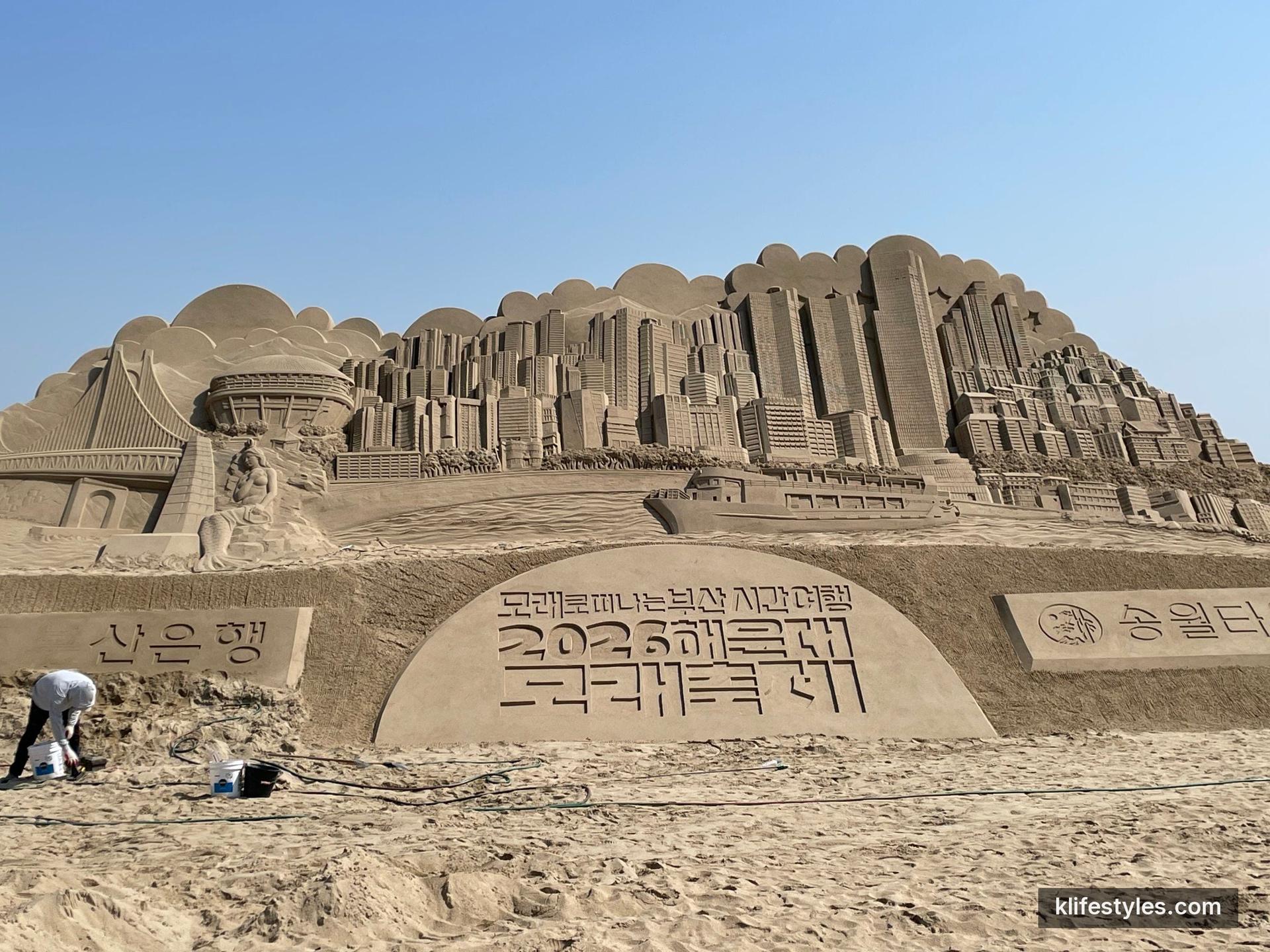
Haeundae Sand Festival 2026: Dates, Programs and Getting There
The 2026 Haeundae Sand Festival ran from May 15 to 18 in Busan, and the sand sculptures stayed until June 14. Dates, programs, getting there from Seoul and timing tips, kept for the next festival.
Read
Notes10 min read
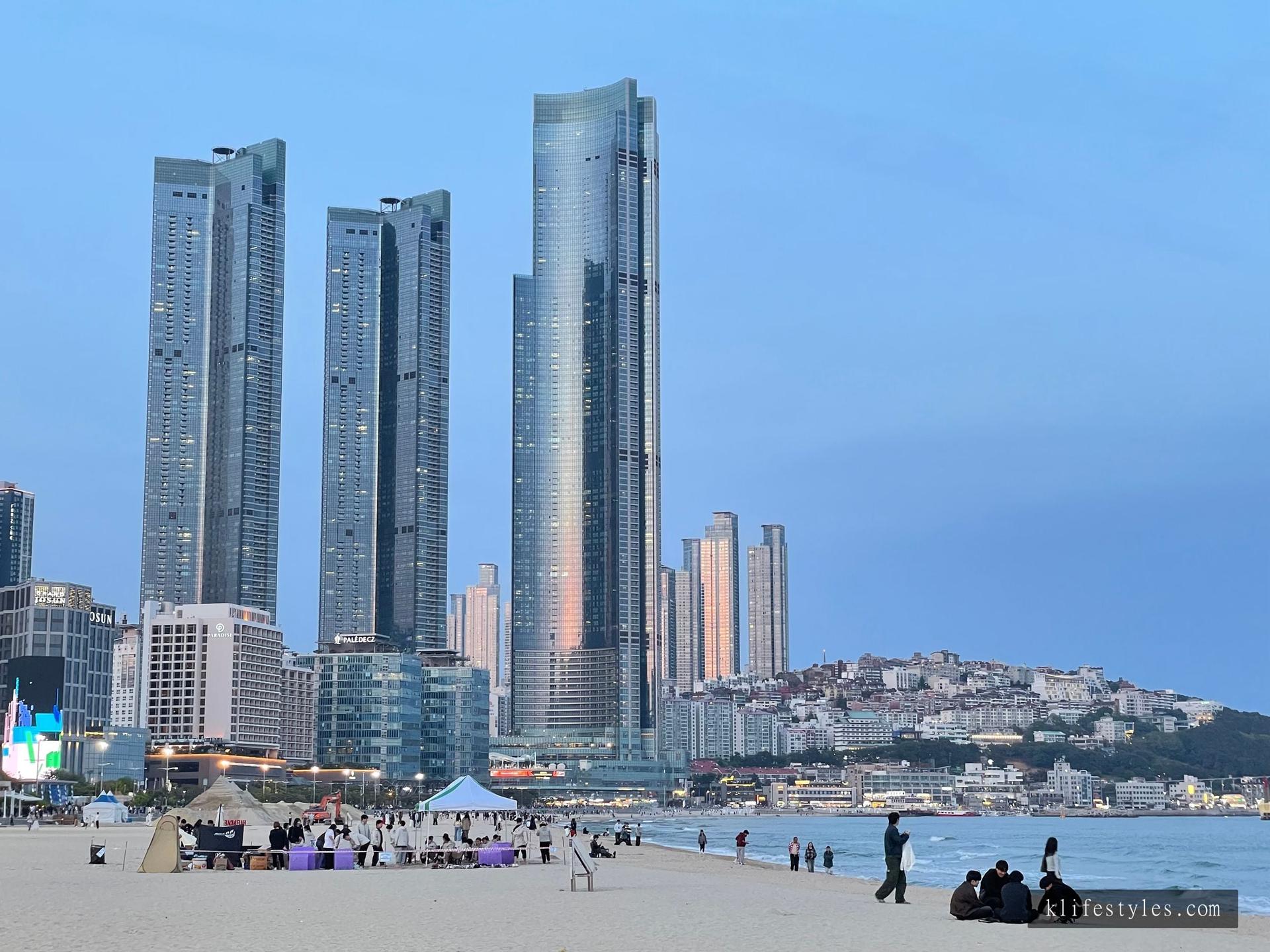
Haeundae at Night: A Slow Seaside Walk and Signiel Busan
In the evening, once the tourists have gone, Haeundae shows a completely different face. From a night walk by the sea to the night view from Signiel Busan, here is how to really savor Haeundae.
Read